Ottoman Pattern Design: A Practical Review for Embroidery Projects
As an experienced embroidery designer and product reviewer, I’ve had the chance to evaluate countless machine embroidery designs, from simple monograms to intricate floral motifs. When I first saw the Ottoman Pattern Design, it immediately caught my eye with its bold yet elegant aesthetic. The design brings a rich cultural vibe into modern craftwork, making it ideal for those looking to add a touch of heritage or luxury to their handmade products.
First Impressions and Visual Personality
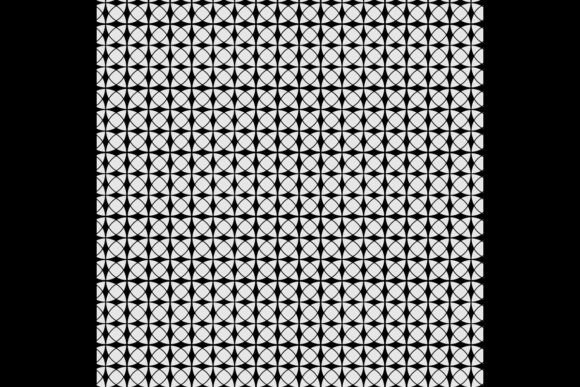
The Ottoman Pattern Design feels like stepping into a world of ornate architecture and timeless artistry. Its repeating motifs resemble the classic tile work and architectural elements often seen in Ottoman-era textiles and décor. The layout is symmetrical and balanced, which gives it a strong sense of order and sophistication. This isn’t a minimalist pattern—it’s detailed and expressive, perfect for creating visual impact in projects where you want to evoke a feeling of tradition or opulence.
I can see this pattern working beautifully on custom apparel like sweatshirts or tote bags, especially when used as a background or border element. It also has potential in handmade product lines such as baby towels, decorative pillows, or even holiday gift wrap. The key here is context; because of its complexity, the design demands a project that allows it to breathe and be appreciated for its fine details.
Real-World Use Cases and Project Suitability
In real-life applications, the Ottoman Pattern Design shines when applied to larger surfaces. For instance, when designing a custom embroidered sweatshirt for a boutique line, using this pattern along the hem or across the back could elevate the garment's look significantly. Similarly, for holiday gifts like personalized blankets or pillow covers, the pattern adds a festive and luxurious feel without being over the top.
On personalized gifts, especially items like embroidered patches or cap embroidery, the design needs careful placement. While it looks stunning, its density means it might not be suitable for small areas unless simplified. I tested it on a tote bag design mockup and found that when paired with minimal text or a single logo, it created a cohesive and professional appearance. But adding too many elements around it muddled the visual hierarchy and distracted from the main message.
Commercial and Etsy Applications
For Etsy sellers and small shop product creators, the Ottoman Pattern Design can serve as a signature motif that sets your brand apart. It works particularly well in nursery decor or gift wrap designs, where customers are often looking for something unique and meaningful. As a digital embroidery file, it offers flexibility—ideal for including in printable mockups or as part of a set of design assets for resale.
However, if you're planning to use it in high-volume commercial embroidery, be sure to review stitch density and thread color choices carefully. While it’s versatile enough for most machines, frequent production runs may require some adjustments to ensure consistent quality and durability.
Where Caution Is Advised
Despite its beauty, the Ottoman Pattern Design isn’t one-size-fits-all. There are several situations where it should be used with care:
- Small hoop sizes: The pattern’s detail level makes it unsuitable for anything smaller than a decent-sized hoop. If you’re working with tiny embroidery files, consider simplifying the design or using only a portion of it.
- Textured fabrics: The fine lines and curves may get lost or distorted on materials like denim or felt. Always test it on a sample piece before committing to a full run.
- Thin or stretchy fabric: Because of the density of stitches, this pattern may cause puckering or distortion if not properly stabilized. Choose heavier-weight cottons or blends for best results.
- Dark fabric backgrounds: Light-colored threads stand out more against lighter fabrics. On darker bases, the contrast may not be strong enough unless you adjust the thread colors accordingly.
- Curved surfaces: Items like caps or curved parts of garments (like necklines) can make the symmetry of the pattern appear off. Test placement thoroughly in these cases.
It’s also important to note that while the pattern is great for decorative accents, it might overwhelm simpler designs like basic lettering or logos. Balance is key—let the design complement rather than compete with other elements.
Design Notes for Optimal Stitching Results
Before using the Otteman Pattern Design in any project, especially commercial ones, I recommend doing the following:
- Test on scrap fabric: Try stitching the pattern on a few different types of fabric to see how it reacts to tension, thread, and stabilizer.
- Check thread color contrast: Make sure the colors pop against your chosen background. Sometimes a subtle shift in hue can dramatically affect visibility.
- Review stitch density: Dense areas may need to be adjusted depending on fabric weight and end-use. Overly tight stitching can cause ripples or even tear delicate materials.
- Confirm hoop size requirements: If the product description doesn’t specify, reach out to the seller or do your own testing. Larger patterns often need bigger hoops to avoid stretching.
- Inspect small details: Look at the corners and edges of the pattern to ensure they don’t have tiny, hard-to-stitch elements that could break during production.
- Use proper stabilizer: Especially for babies’ clothes or kitchen towels, a good backing material will help maintain shape and clarity after washing.
- Test black and white versions: To check whether the design relies too much on color or would still hold up in grayscale, useful for tonal variations or black-on-black projects.
- Compare light and dark fabric backgrounds: The pattern behaves differently depending on the base fabric. Always try both extremes to gauge effectiveness.
- Verify licensing for resale: If you plan to sell finished items or digital embroidery files, confirm the license allows for commercial use. Some embroidery graphics are strictly for personal use.
Impact on Product Value and Customer Perception
This pattern does more than just look nice—it adds value. Incorporating the Ottoman Pattern Design into a handmade product can instantly raise its perceived quality and uniqueness. Customers shopping for personalized gifts or holiday embroidery appreciate the craftsmanship and attention to detail it represents.
From a branding standpoint, using this design consistently across craft business items can create a signature style. Think of it as a stamp of authenticity. Whether you're making boutique merchandise or aprons for a local store, the pattern can enhance professionalism and recognition.
Its visual appeal is strong enough to draw buyer engagement, but it also supports brand consistency when used thoughtfully. Just remember, with great detail comes greater responsibility—make sure the pattern serves the purpose of the item and doesn’t overshadow it.
Final Thoughts for the Busy Designer
The Ottoman Pattern Design is a standout among embroidery patterns. It’s rich, versatile, and capable of turning ordinary items into extraordinary pieces. That said, it’s not always the best fit for every project. As a designer, your job is to match the right pattern to the right purpose—and this one definitely has personality.
If you’re considering using it in your next embroidery project, take time to assess fabric type, hoop space, and customer expectations. With a little prep, this design can become a powerful asset in your creative toolkit, whether you're crafting for yourself or building a profitable handmade shop online.
Remember, the goal isn’t just to stitch something beautiful—it’s to stitch something that lasts and resonates. The Ottoman Pattern Design has the potential to do both, provided you give it the attention it deserves.