St. Patrick’s Day Shamrock Love Embroidery Design Review
As an experienced designer and embroidery product reviewer, I often find myself evaluating machine embroidery designs not just for their visual appeal, but for how well they translate into real-world projects. When I first laid eyes on the St. Patrick’s Day Shamrock Love design, it immediately caught my attention with its whimsical charm and glittering detail. This is a graphics-based craft design that promises to bring Irish cheer and a sense of celebration to any handmade or commercial product. Let me walk you through my practical take on this design based on actual use scenarios.
First Impressions: Sparkle Meets Sentiment
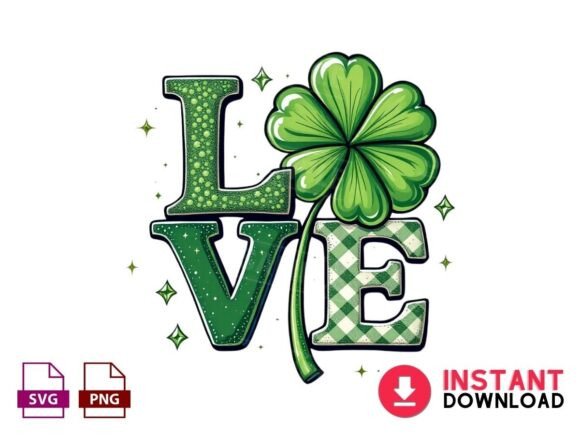
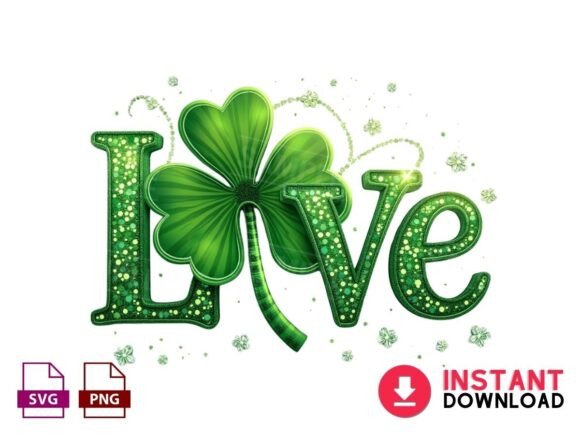
The St. Patrick’s Day Shamrock Love design starts off strong with its central motif—a clover shaped like a heart, surrounded by delicate swirls and floral accents. The layout is balanced and symmetrical, which makes it visually appealing and easy to place on garments or items. What stands out most is the use of sparkle elements, likely achieved through metallic thread or glitter-like effects in the digital file. It feels festive without being over-the-top, making it ideal for holiday gifts, personalized apparel, or even boutique branding around St. Patrick’s Day.
Visually, this design conveys warmth and joy. The theme is clearly centered on love and Irish heritage, which could resonate well with customers who appreciate cultural nods in their custom products. As a graphics item, it’s versatile enough to be used as an applique design or layered with other text and motifs. The level of detail suggests it would work best on mid- to large-sized embroidery projects where the intricacies can shine.
Where This Design Thrives
- Custom Apparel: On sweatshirts or t-shirts, the design adds a pop of color and emotion. Its shape works well centered on the chest area, especially when paired with a short phrase like “Happy St. Paddy’s Day” or “Made With Love.”
- Tote Bag Design: This design could become a standout feature on a reusable tote bag. The larger surface allows the clover to breathe while still maintaining the cohesive look of the overall product.
- Embroidered Patch: If you’re planning to turn this into a patch, the design has enough personality to stand alone. However, the glittery elements may require extra care depending on the fabric type and backing material.
- Nursery Decor: For baby items such as onesies or pillow covers, the soft curves and positive sentiment make it a perfect fit. Just be mindful of stitch density near the edges to avoid irritation for sensitive skin.
- Holiday Gifts: Whether it's a tea towel, apron, or blanket, this design brings a festive touch that elevates the gift-giving experience. It works especially well for those targeting niche markets like handmade gift shops or Etsy listings focused on seasonal themes.
- Craft Fair Products: The design’s charm is suited for small-batch, high-value items like embroidered mugs or ornament bases. It’s eye-catching and instantly recognizable, which can boost buyer engagement at local events.
Use Cases That Require Caution
While the St. Patrick’s Day Shamrock Love design is undeniably beautiful, there are several situations where it might need some tweaking before use:
- Small Hoop Sizes: The design includes detailed corners and intricate lines. If your hoop size is too small, these elements may get lost or distorted, especially if you're using a basic embroidery machine with limited precision.
- Textured or Stretchy Fabrics: Designs with fine details don’t always hold up on stretchy materials like spandex or fleece. You’ll want to test how the fill stitches and satin stitches respond to tension changes.
- Dark Fabric Backgrounds: The sparkly clover relies heavily on contrast. If you plan to embroider it onto dark green felt or black denim, consider whether the thread colors will remain visible. A light-colored background usually showcases the design better.
- Products Subject to Frequent Washing: Dense stitch areas and metallic threads can fade or wear down over time. If you’re planning to sell items like kitchen towels or baby clothes, make sure the stabilizer and thread types are durable enough for repeated use.
- Curved Surfaces (e.g., Caps or Hats): The heart-shaped clover may not lay flat on curved surfaces unless you adjust the placement or reduce the size significantly. Always check how the design behaves when transferred to three-dimensional objects.
Visual Appeal and Customer Perception
This design isn’t just about looking good—it’s about feeling right. The combination of clover and love evokes a sense of tradition and affection, which is great for creating emotional connections with buyers. As an embroidery file, it maintains a professional appearance even when scaled, making it suitable for both personal and commercial embroidery projects.
From a customer perspective, the design adds value by making the finished product feel more thoughtful and intentional. It can serve as a unique selling point for your handmade product line, especially if you’re targeting customers who appreciate subtle yet meaningful details. For Etsy sellers and small shop owners, this kind of design helps build brand recognition and trust—especially during the holiday season.
Design Notes for Real Project Use
- Test on Scrap Fabric First: Before committing to a full batch of sweatshirt embroidery or tote bags, run a sample on similar fabric to see how the stitch density and thread colors perform.
- Check Thread Color Contrast: Especially if you’re working with a digital embroidery file, ensure that the thread palette complements your chosen fabric. A white or light green background will allow the design to pop the most.
- Review Stitch Density: The center of the clover appears to have dense fill stitches. Be cautious when using it on thin fabrics like cotton lawn or flannel, as puckering or distortion could occur.
- Confirm Hoop Size Requirements: Without specific hoop size information provided in the product description, I recommend checking the design files yourself. Larger hoops are generally safer for preserving the design’s integrity.
- Inspect Small Details: The floral accents and tiny hearts add character, but also complexity. If your machine struggles with fine lines or running stitch sections, consider simplifying the design slightly before stitching.
- Use Proper Stabilizer: Given the mix of satin and fill stitches, a medium-weight tear-away or cut-away stabilizer is essential to prevent shifting or warping during the embroidery process.
- Test in Black and White Mockups: If you’re planning to use this design in printable mockups or previews for online sales, create grayscale versions to see how it holds up without color.
- Compare Light and Dark Backgrounds: Try the design on both white and navy blue backgrounds to understand how it adapts. This will help you determine the best use cases for different customer preferences.
- Confirm Licensing for Commercial Use: If you plan to sell the finished product or include it in design assets for resale, double-check the licensing terms. Many craft graphics are intended for personal use only unless explicitly stated otherwise.
Professional and Branding Considerations
When evaluating a design for use in a craft business, it’s important to think beyond aesthetics. The St. Patrick’s Day Shamrock Love design has a clear visual identity that aligns with themes of love, celebration, and Irish culture. This makes it a great candidate for consistent branding across multiple products, from holiday embroidery to personalized gifts.
For commercial embroidery applications, the design should be part of a curated collection rather than a standalone novelty piece. It’s not overly complex, but it does demand attention to detail. The glitter effect may be simulated via thread choice or actual metallic thread, so understanding your machine’s capabilities and the fabric you’re working with is key.
Final Thoughts for Creative Entrepreneurs
In summary, the St. Patrick’s Day Shamrock Love design is a solid addition to your machine embroidery design library. It brings a fresh, joyful mood to your projects and fits naturally into a range of uses—from custom apparel to handmade gifts. But remember, what looks good on screen doesn’t always translate perfectly to fabric. Take the time to test, adjust, and refine before going into production.
As a graphics asset, it’s flexible and charming. As an embroidery project, it’s a fun challenge that rewards careful preparation. If you’re a crafts enthusiast or a creative entrepreneur looking to add a touch of Irish magic to your next product lineup, this one is worth considering—but not without due diligence.