Vectorizer Classes and Freebies: Boost Your Editorial Design Workflow
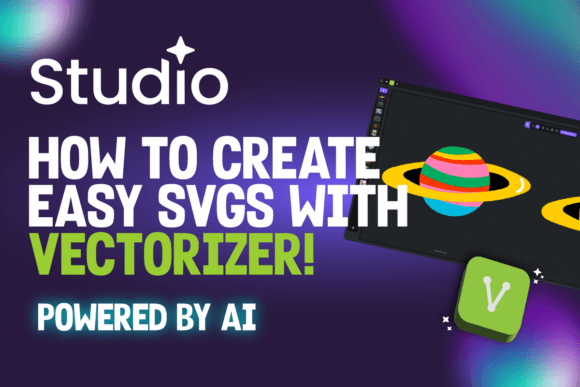
As an experienced blog designer and digital publisher, I'm always on the lookout for tools that streamline the creation of high-quality visuals without compromising on style or performance. When I first encountered How to Create Easy SVGs with Vectorizer, it struck me as a game-changer in the world of editorial design and web publishing assets. This new version not only boasts impressive speed and efficiency but also delivers clean, scalable vector graphics that feel modern, crisp, and highly adaptable.
First Impressions and Editorial Mood
The instant appeal of Vectorizer lies in its sleek interface and the promise of faster processing times—10x quicker than before, according to the product description. But what really caught my attention was how it transformed standard raster images into sharp, editable SVGs with significantly smaller file sizes. The result? A graphic design asset that feels both professional and versatile, perfect for bloggers and content creators who need consistent visual elements across multiple platforms.
This tool naturally supports a modern, clean editorial mood. It doesn’t scream “playful” or lean too far into artistic whimsy, but rather offers a polished look that can be adapted to lifestyle, educational, or even business-focused niches. Its ability to reduce paths while maintaining detail makes it ideal for websites that prioritize readability and brand consistency over ornate decoration.
Real Publishing Applications
In a real content publishing workflow, I found myself using Vectorizer in several key areas:
- Blog Featured Images: Converting high-res photos into optimized SVGs helped maintain clarity on all screen sizes, especially when paired with bold headline text.
- Pinterest Graphics: The smaller file size and crisp edges made these pins load faster and look more refined, increasing engagement potential.
- Newsletter Headers: Using Vectorizer to convert simple illustrations into SVGs allowed me to embed them directly into HTML emails, preserving quality across devices.
- Downloadable Resources: For worksheets and digital guides, this tool simplified the process of embedding icons and logos without bloating file sizes or distorting visuals.
- Website Banners and Category Thumbnails: The reduced number of paths meant faster page loads and smoother scrolling, which is crucial for SEO and user experience.
Supporting Content Performance
One of the biggest advantages I noticed early on was how Vectorizer contributes to stronger first impressions. As soon as you replace a jumbled JPEG or PNG with a clean SVG, your content gains a subtle edge in professionalism. Readers may not consciously notice it, but they’ll trust your site more if everything looks intentional and polished.
Here’s how it helps lift content performance across the board:
- Sharper Visual Hierarchy: Clean SVGs make it easier to layer text and graphics without muddying the message.
- Improved Brand Identity: Consistent, scalable imagery reinforces your visual identity on blogs, social media, and downloadable resources.
- Stronger Click-Through Potential: On Pinterest or Facebook, well-optimized SVGs render quickly and clearly, encouraging users to click.
- Better Category Recognition: When used for thumbnails or headers, Vectorizer outputs help categorize content at a glance.
- More Professional-Looking Pages: Whether it's an article layout or a landing page, SVGs created with Vectorizer elevate the overall aesthetic.
Where Vectorizer Shines in Publishing
After testing it extensively, I've identified several use cases where Vectorizer truly excels:
- Hero Images: Use it to create background elements or overlays that scale perfectly and don't pixelate.
- Article Thumbnails: Ideal for category pages or blog archives, where visual consistency matters most.
- Editorial Accents: Add subtle decorative elements like lines, shapes, or icons that enhance the layout without overwhelming it.
- Content Upgrades and Lead Magnets: Convert illustrations into SVGs for digital worksheets, checklists, or guides that look premium.
- Canva Templates: If you're designing templates for clients or personal use, Vectorizer allows you to include scalable graphics that won’t lose quality when resized.
Use with Caution: Limitations and Considerations
While Vectorizer is powerful, it's important to consider where it might not perform as well. In some cases, the simplified path structure can lead to loss of fine detail, which isn’t ideal for:
- Small Mobile Thumbnails: Complex SVGs may become blurry or distorted at very small sizes.
- Text-Heavy Blog Images: Overusing SVGs in such contexts can distract from the main message.
- Low-Contrast Backgrounds: Some converted SVGs may struggle to stand out against muted tones.
- BUSY Layouts: If your design already has a lot going on, adding another layer of vectors could add clutter rather than clarity.
- Serious Professional Niches: In corporate environments or formal publications, overly stylized or simplified vector work might not align with the tone.
Practical Publisher Notes for Real Use
Before integrating any graphic design asset into your publishing projects, including Vectorizer, here are some best practices I recommend:
- Test on Desktop and Mobile: Make sure your SVGs render consistently across all devices and browsers.
- Preview as Thumbnails: Especially for blog grids or Pinterest boards, see how they appear when compressed and cropped.
- Embed in a Real Blog Layout: Check how they interact with fonts, colors, and spacing in your actual content setup.
- Combine with Different Fonts: Try placing your SVGs beside serif, sans-serif, script, handwritten, and display fonts to ensure harmony in your visual system.
- Check Contrast and Readability: Always verify that text placed over your SVGs remains legible and accessible.
- Review File Size for Web Performance: Even though Vectorizer reduces file sizes, confirm optimization is suitable for your site's loading standards.
- Compress Images Properly: Use additional tools if needed to further optimize SVGs for fast-loading web pages.
- Confirm Commercial Licensing: Since Vectorizer is part of a creative marketplace offering freebies and classes, double-check licensing terms if you plan to use it for affiliate marketing, paid digital products, or monetized sites.
Vectorizer as Part of a Creative Design Toolkit
What sets Vectorizer apart is its seamless integration into the broader ecosystem of design assets. It complements other tools by offering a streamlined way to convert static images into dynamic, editable SVGs. Whether you're working on a small business branding project or crafting a suite of social media graphics, Vectorizer gives you the freedom to tweak and reuse visuals effortlessly.
For example, I recently used it to convert a set of seasonal illustrations into SVGs for a digital download series. Not only did it cut down the total file size by nearly half, but it also gave each piece a sharper edge that felt more modern and aligned with the rest of the editorial design. That kind of cohesion is essential for building reader trust and reinforcing brand identity.
Final Thoughts for Digital Publishers
If you're involved in content marketing, website design, or editorial layouts, then Vectorizer deserves a spot in your toolkit. It’s a powerful yet easy-to-use solution for anyone who needs to create SVGs quickly and efficiently. From blog graphics to newsletter banners, this graphic design asset supports a wide range of publishing scenarios without the usual overhead of complex vector files.
With its improved speed and optimized output, Vectorizer makes it possible to maintain a strong visual hierarchy while keeping your site lightning-fast. And for those relying on freebies and classes to grow their audience or sell digital products, having access to a reliable vector conversion tool is invaluable.
I’d encourage any content creator or marketer to explore how this tool can fit into their workflow. Just remember to test thoroughly and consider the context—some projects will benefit immensely from Vectorizer, while others may require a more hands-on approach. Either way, it's a solid addition to your arsenal of design assets for modern, clickable content publishing.