Wildflowers Flower Illustration: A Fresh Embroidery Design for Spring Projects
As a seasoned embroidery designer and product reviewer, I always approach new designs with a critical eye. When I first opened the Wildflowers Flower Illustration Floral collection, I was immediately drawn to its delicate charm and organic flow. This design isn’t just another floral pattern—it carries a distinct personality that speaks of springtime meadows and soft, natural beauty. The 24 PNG files with transparent backgrounds in this illustration set offer versatility and clarity, making it an excellent candidate for both personal and commercial embroidery projects.
Aesthetic First Impressions and Mood
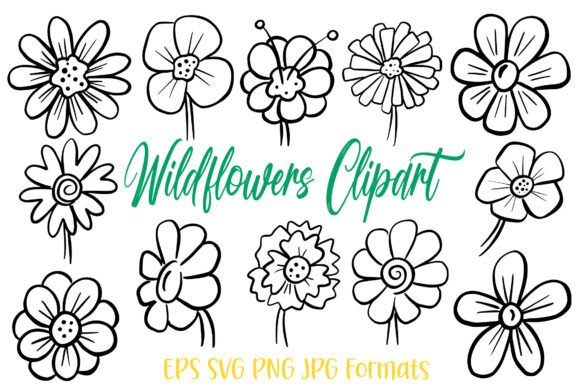
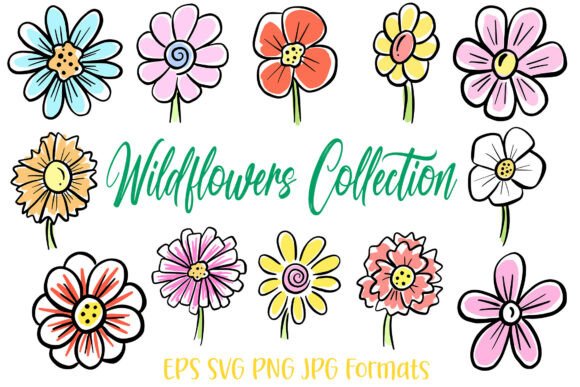
The Wildflowers Flower Illustration exudes a gentle, whimsical vibe. Its composition features a variety of blooming wildflowers arranged in a loose, flowing layout—think daisies, poppies, and lavender scattered like they were caught mid-breeze. The lines are soft but defined, and the overall theme feels hand-drawn yet precise. It’s the kind of design that brings warmth and a touch of nature to any surface it adorns.
From a visual standpoint, the design is perfect for creating a sense of serenity or nostalgia. It doesn’t scream for attention but rather invites a closer look. That subtlety makes it ideal for handmade products where the focus is on quality and emotional appeal rather than bold graphics. The detail level is moderate, with enough intricacy to add interest without overwhelming the viewer or the machine.
Real-World Application: Custom Tote Bags and Sweatshirts
I recently used the Wildflowers Flower Illustration in a tote bag project for a local boutique. The design was placed centrally on a cotton canvas tote, stitched using a combination of satin and fill stitches. The result was stunning—each flower seemed to bloom across the fabric, and customers couldn’t help but admire the subtle elegance.
For sweatshirts, especially those made from heavier fleece or knits, the design adapts well when you adjust stitch density and thread tension. The flowers don’t lose their shape, even after washing and wearing. What stood out most was how it enhanced the handmade product feel of the item. Clients appreciated the natural aesthetic, which aligned perfectly with the boutique’s branding as a purveyor of artisanal goods.
Performance in Real-Life Embroidery Situations
Embroidery designs must work across a range of applications and materials. Here's how Wildflowers Flower Illustration performed in various real-life scenarios:
- Custom Apparel: Works beautifully on t-shirts and hoodies, especially in pastel or earthy thread color palettes. The transparency of the PNGs allows for easy customization of placement and background blending.
- Baby Clothes & Nursery Decor: The softness of the design complements baby-themed items. When stitched onto muslin or lightweight cotton, it adds a gentle, comforting touch. Just be sure to avoid overly stretchy fabrics to maintain clarity.
- Patches and Aprons: Ideal for embroidered patches, especially if you're aiming for a vintage or bohemian style. On aprons, it looks great as a central motif or along the hemline, adding a decorative yet understated flair.
- Tea Towels and Pillow Covers: These are perfect for showcasing the intricate details of the floral clipart. The design holds up well on woven cotton, and its muted tones give off a cozy, homey vibe.
- Holiday and Wedding Gifts: The spring floral theme works surprisingly well for holiday gifts too. For instance, stitching it onto a felt ornament or a linen gift basket tag gives a fresh, seasonal twist. In wedding gifts, pairing it with gold or silver threads elevates the design into something more refined.
- Commercial Embroidery Projects: If you’re an Etsy seller or run a small shop, this design can easily become part of your signature line. It's versatile enough for multiple product types while maintaining a cohesive brand identity.
Where to Use It with Caution
While Wildflowers Flower Illustration is adaptable, there are certain situations where extra care is needed:
- Small Hoop Sizes: The design includes some medium-sized elements that may not translate well in tight spaces. Consider resizing or isolating individual flowers for smaller hoops.
- Textured Fabrics: Textured surfaces like denim or canvas can distort fine lines. Test the design on a scrap piece before committing to production.
- Thin or Stretchy Fabrics: Delicate materials might struggle with dense stitch areas. Opt for lighter stitch types and use a stabilizer to prevent puckering.
- Dark Fabric Backgrounds: The default colors may not stand out. Try using white or cream thread to make the flowers pop against darker bases.
- Curved Surfaces (e.g., Caps or Hats): The layout needs careful alignment. Distortion can occur if the design wraps around curves, so test it on a sample cap before mass-producing.
- Frequent Wash Items: While the design holds up well, always test durability on a finished product that will see regular laundering.
Impact on Visual Appeal and Customer Trust
In my experience, machine embroidery designs that balance detail with simplicity often have the strongest impact. Wildflowers Flower Illustration fits this mold perfectly. Its naturalistic style elevates the visual appeal of any project it’s applied to, whether it’s a personalized gift or a craft business item.
Customers tend to associate floral illustrations with quality and attention to detail. By incorporating this design into your handmade product, you subtly signal craftsmanship and thoughtfulness. This builds trust and increases perceived value. As an Etsy seller, you’ll find that such visuals encourage buyer engagement and foster brand loyalty over time.
It also plays well with other design assets. Whether you're combining it with lettering for a custom name patch or integrating it into a printable mockup for digital sales, the Wildflowers Flower Illustration maintains its integrity and enhances the overall presentation.
Design Notes for Embroidery Professionals
If you're considering using this embroidery file in your next project, here are some practical tips based on real-world testing:
- Test on Scrap Fabric: Always try the design on a sample piece before moving to production. This helps you assess how it behaves on different textures and weights.
- Check Thread Color Contrast: The design is typically rendered in soft hues, so ensure your chosen thread colors contrast well with the base fabric. White or light-colored threads work best for dark materials.
- Review Stitch Density: Adjust fill stitch density for optimal results, particularly on thin or stretchy fabrics. Too much density can cause distortion or puckering.
- Confirm Hoop Size: Since the full design is quite large (8000px), you’ll need a larger hoop. If you plan to scale it down, isolate sections carefully to preserve visual harmony.
- Inspect Small Details: The flowers feature fine lines and subtle shading. Make sure your machine can handle these nuances, especially when using running stitch or outline techniques.
- Use Proper Stabilizer: Especially important for delicate or stretchy fabrics. A tear-away or cut-away stabilizer can prevent unwanted shifting during stitching.
- Test in Black and White Mockups: This helps you evaluate how the design will appear if printed instead of stitched or if thread colors aren't available in your desired palette.
- Compare Light and Dark Backgrounds: The same design can drastically change appearance depending on the fabric color. Do a side-by-side comparison to choose the right one for your audience.
- Licensing Check: Before selling finished products or digital embroidery files, confirm the licensing terms. Many free or low-cost designs come with restrictions that could affect your commercial use.
Final Thoughts: A Versatile Design with Heart
The Wildflowers Flower Illustration is more than just a pretty graphic—it’s a thoughtful addition to any embroidery project that values authenticity and warmth. Whether you're crafting a personalized gift or designing a line of sweatshirt embroidery for your small shop product offerings, this design has the potential to elevate your work.
Its adaptability means it can serve as a standalone applique design or be layered with text and other motifs. As long as you consider the fabric type, hoop size, and stitch settings, it can deliver consistent, professional results. Just remember to treat it with the same care you would any high-quality illustrations—test, adjust, and let your creativity guide the final outcome.
For creative entrepreneurs and handmade shop owners, this floral graphic offers a unique opportunity to connect with customers through nature-inspired artistry. It's not about being loud—it's about being meaningful. And in today’s market, that can mean the difference between a good design and a memorable one.