30 Wildflowers Hand-Drawn Clipart for Spring Graphics & Layer Styles
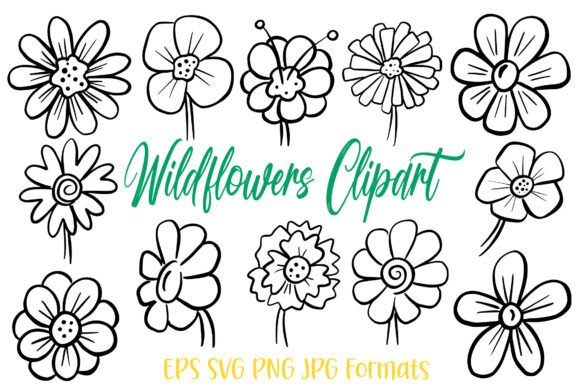
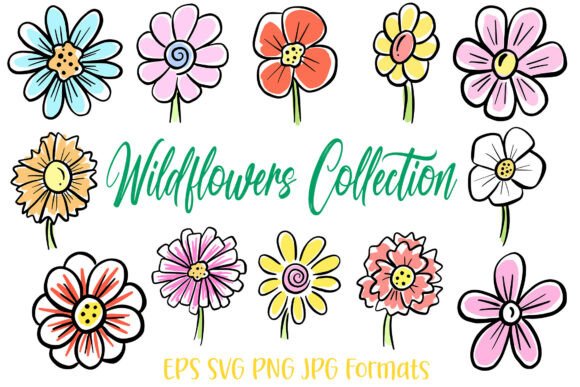
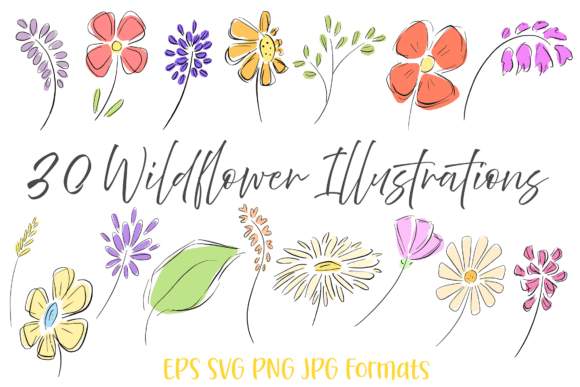
As a professional graphic designer, I’m always on the lookout for design assets that can elevate a project without requiring excessive customization. When I first reviewed 30 Wildflowers Flower Hand Drawn Clipart, I was immediately drawn to its delicate, organic aesthetic and the versatility it offers across different formats. This collection is more than just a set of floral illustrations—it’s a curated visual toolkit that speaks directly to the needs of designers working in creative branding, packaging, social media, and print-on-demand projects.
A Natural Fit for Handmade Businesses and Seasonal Campaigns
The Wildflowers Flower Illustration Spring Floral Clipart Collection exudes a soft, whimsical charm that makes it ideal for brands with a natural, artisanal, or seasonal focus. Whether you're designing packaging for an eco-friendly product line or crafting visuals for a spring campaign, these illustrations bring a sense of authenticity and warmth. The hand-drawn quality gives each flower a unique character—no two are exactly alike—which adds a human touch that feels especially fitting for small businesses like Etsy shops, handmade boutiques, or local event promotions.
What stands out most is how the flowers interact with one another. They’re not overly structured, but there's enough intentionality in their composition to allow them to be layered and combined seamlessly. This makes them particularly useful for creating themed collections or mood boards where consistency and visual harmony are key.
Real-World Performance: From Packaging to Printables
I tested this clipart in several real-world scenarios to see how it performs under professional conditions. Here’s what I found:
- Product Labels & Packaging Design: These wildflower illustrations work beautifully as background elements or border accents. Their transparency (thanks to the PNG files) allows them to blend well with minimal text, making them perfect for eco-conscious labels or vintage-style packaging.
- Merchandise & Sticker Design: For Cricut projects and sticker art, the SVG format is a game-changer. It’s fully editable and scales perfectly, which means you can adjust colors or layer styles to match your brand palette or project theme.
- Website Headers & Social Media Banners: In larger hero graphics, the wildflowers add a subtle yet engaging texture. They don’t overwhelm the content but instead create a welcoming atmosphere, especially when paired with soft pastel tones or handwritten fonts.
- Editorial Layouts & Blog Visuals: Used sparingly, they function as elegant dividers or page headers in editorial designs. However, if used too densely, they risk muddying the layout. That said, in a Canva template for a blog post about gardening or seasonal crafts, they shine as decorative accents that enhance the storytelling.
- Print-on-Demand & Sublimation Projects: The high-resolution JPG and PNG files are suitable for printing on t-shirts, mugs, and tote bags. I recommend previewing them at actual print size to ensure clarity and vibrancy, especially for darker substrates where contrast may become an issue.
Where This Design Asset Works Best
Here are the specific use cases where 30 Wildflowers Flower Hand Drawn Clipart truly excels:
- Large Layout Areas: The intricate details and generous file sizes (up to 8000px) make them perfect for expansive backgrounds or full-page posters. They hold up well in both digital and printed formats.
- Themed Collections: If you're building a cohesive look for a boutique product line or seasonal marketing push, these flowers help maintain a consistent visual language without feeling repetitive.
- Printable Designs: The transparent PNGs are great for creating printable wall art, greeting cards, or downloadable digital products. They integrate smoothly into layered compositions.
- Social Media Graphics: On Pinterest pins or Instagram posts, the wildflower motif adds a fresh, inviting feel. They’re especially effective when paired with script or display fonts for a romantic or bohemian vibe.
Designers Will Love the File Formats and Flexibility
This asset includes multiple file types such as SVG, PNG, EPS, DXF, and JPG, giving you options depending on the platform or output. The SVG and EPS files are vector-based, so they scale perfectly for logo design or large signage. The DXF format is handy for sticker design or cutting machines like Cricut, allowing for clean edges and easy integration into die-cut projects.
One of the standout features is the PNG files with transparent backgrounds. They’re ready to use in any design software and allow for seamless layer blending. As a designer who often works with brand identity and marketing visuals, I appreciate assets that require minimal cleanup before being added to a layout.
Use Carefully in These Scenarios
While these illustrations offer a lot of creative potential, there are some situations where they might not be the best fit:
- Minimalist Branding: The detailed nature of the wildflowers could clash with a sleek, modern design style. If your client prefers a clean and simple aesthetic, consider using them only as supporting elements rather than focal points.
- Small Sizes: Because the illustrations have fine lines and textures, scaling them down too much can result in loss of detail. Always test at actual size before finalizing a digital product or print item.
- Complex Backgrounds: While the transparent PNGs are a boon, placing these cliparts over busy or patterned backgrounds may reduce readability and visual impact. Stick to lighter or solid-colored backdrops for the best results.
- Corporate Materials: These illustrations lean toward casual and artistic, which may not align with formal corporate branding. However, they can still work in internal materials or seasonal reports with the right styling.
Impact on Readability, Hierarchy, and Brand Consistency
Incorporating wildflower illustrations into a design doesn’t just add beauty—it also influences how information is perceived. When placed thoughtfully, these graphics can guide the viewer’s eye and support the emotional tone of the message. For example, in a flyer promoting a local farm-to-table event, the wildflowers helped reinforce the natural and community-driven narrative.
That said, because of their ornate nature, they should never overpower text or disrupt visual hierarchy. Use them as secondary elements to complement rather than compete with key messaging. In logo design, I’d suggest using them subtly, perhaps as part of a motif or icon, rather than as the central component unless the brand specifically calls for an illustrative approach.
For brand identity systems, I recommend testing the clipart in black and white to assess how it translates in grayscale. Some flowers lose their definition in monochrome, which could affect brand recognition if color isn't available in all outputs.
Pairing with Fonts and Color Palettes
Font pairing is crucial when using this type of illustration. I found that serif and script fonts harmonize particularly well with the hand-drawn style, enhancing the organic and personal feel. Sans-serif and display fonts can work too, especially if the rest of the design leans toward a contemporary edge. Just be cautious with very bold or geometric fonts—they might feel disconnected from the softer illustration style.
When it comes to color palettes, the clipart supports both muted earth tones and bright, cheerful hues. You can easily recolor the SVGs to match your client’s existing branding or to create a new seasonal look. This flexibility is a big plus for designers aiming to build a cohesive creative design system around nature or botanical themes.
Commercial Licensing and Practical Designer Notes
Before adding any design asset to a client project, commercial licensing is a must-check. With this bundle, I made sure the commercial license covers usage in print-on-demand, digital storefronts, and even sublimation prints. That’s essential for anyone selling custom merchandise or using the clipart in commercial design assets.
Here are my top practical tips for using this collection professionally:
- Test the clipart in various file formats—especially SVG and PNG—to see which works best for your intended application.
- Preview it at small and large sizes to evaluate how it holds up across platforms like social media and packaging.
- Place the images on real product mockups to check how they look in context. Sometimes the visual appeal shifts dramatically once applied to a physical object.
- Inspect the PNG transparency closely. Even though it’s provided, some clipping paths may need minor adjustments in Photoshop or Illustrator.
- Review how the flowers behave in low-contrast settings. A light pink flower on a white background won’t pop the same way as on a deep green or navy backdrop.
A Valuable Creative Asset for Professional Projects
Overall, the 30 Wildflowers Flower Hand Drawn Clipart is a strong addition to any designer’s library. It brings a natural, handcrafted feel to design bundles and offers the technical flexibility needed for a wide range of uses—from digital ads to packaging details. Its ability to adapt across formats and applications makes it a reliable choice for those looking to add depth and personality to their graphic design assets without sacrificing professionalism.
For clients in the handmade, floral, or seasonal niche, this collection provides an authentic visual anchor. And for marketers or bloggers needing quick, high-quality social media graphics, it’s a time-saving solution that maintains a polished look.
If you’re considering using this clipart for your next project, I recommend integrating it early in your design process. Let it influence the overall mood and direction, and then refine the placement based on feedback and testing. When used correctly, these wildflowers can transform a standard graphic into something memorable and visually rich.